In conversations about UK cannabis laws, you often hear two terms thrown around: decriminalization and legalization. They sound similar, but mixing them up leads to confusion, especially among diaspora communities balancing UK rules with cultural assumptions from home. Let's break down why this confusion exists and clarify the UK’s current stance on cannabis.
Key Terms: Legalization vs. Decriminalization
First, a quick glossary:
- Legalization: The removal of all criminal penalties around cannabis use, sale, and possession, often with a regulated market (like alcohol or tobacco). Decriminalization: The removal of criminal penalties for possession or use of small amounts of cannabis, but laws against sale and trafficking remain. You may face civil fines or warnings instead of criminal records.
Keep this in mind when reading news or updates. Legal does NOT mean allowed everywhere, and decriminalization does NOT mean cannabis is freely sold or consumed.
UK Cannabis Law: Still Class B Under Misuse of Drugs Act 1971
The UK classifies cannabis as a Class B controlled substance under the Misuse of Drugs Act 1971. This classification means:
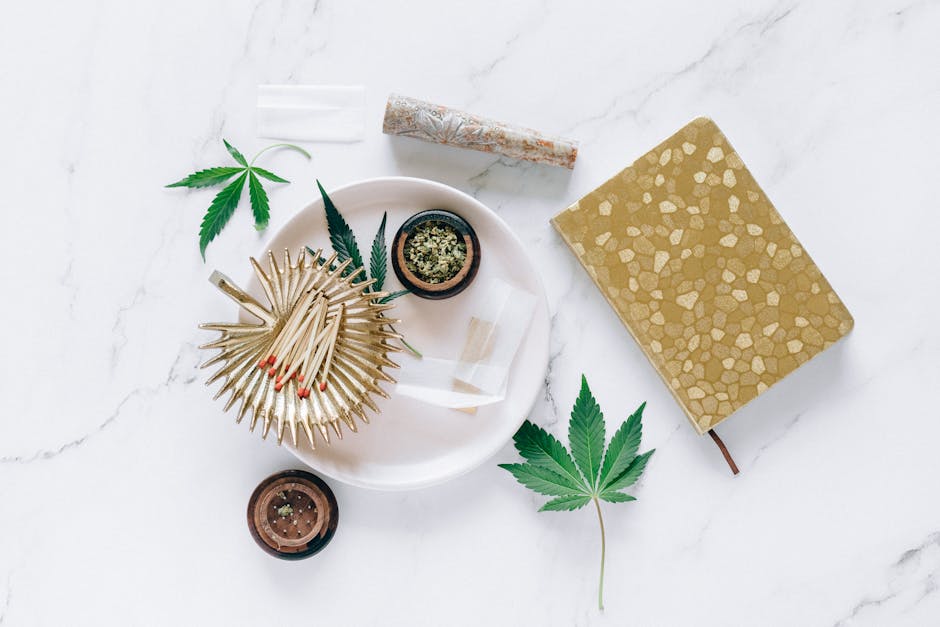
- Possession for recreational use is illegal. Supply and cultivation can lead to severe criminal penalties. Police enforcement is active, though priorities can shift between regions and over time.
This is not a case of decriminalization or legalization — it’s firmly illegal recreational use.
What About Medical Cannabis?
In November 2018, the UK government took a step by legalizing medical cannabis. But this is tighter than many imagine:

- Medical cannabis is legal only via specialist prescription. General Practitioners (GPs) cannot prescribe cannabis. There is no over-the-counter (OTC) access or pharmacy sales. NHS prescribing is very limited, mostly for rare cases like severe epilepsy or multiple sclerosis. Because of this, private clinics have boomed—patients seeking access often pay out of pocket.
So medical cannabis availability does NOT mean recreational cannabis is legal or even decriminalized.
Why the Confusion? The Policy Debate and Media Coverage
Here's why people get the two mixed up:
Media Mix-Up: Headlines sometimes proclaim "Cannabis legalized for medical use," without clearly stating how narrow and controlled that access is. Policy Debate Buzzwords: Politicians and lobbyists mention "decriminalization" or "legalization" without context, which sometimes gets distorted in social media or WhatsApp groups. Enforcement vs. Law: Police may prioritize other crimes over minor cannabis possession. This can create the belief that the law has changed when it has not. Public Perception: Seeing private clinics offering cannabis prescriptions suggests easier access, which might be mistaken for relaxed laws. Misinformation Channels: Social media platforms—like the Morocco World News Telegram and WhatsApp channels—offer information mixing UK law with North African cultural views, sometimes without clear legal distinctions.Enforcement Is Not the Same as Legal Change
Police in the UK have discretion over how actively they enforce cannabis laws. In some areas, minor possession cases are handled with warnings or fines rather than arrests or prosecutions.
This creates two problems:
- False Security: People believe cannabis is decriminalized because they aren't being arrested. Unequal Enforcement: Some areas or demographic groups face harsher penalties, adding to confusion about what the law actually says.
Remember: Just because police don’t act strongly every time does not mean the law has changed.
Medical Cannabis: Not Recreational Use
Medical cannabis in the UK is a narrow exception. It is prescribed by specialists for serious medical conditions, and the formulations are tightly controlled.
risk of buying unregulated cannabis UKPrivate clinics' presence does not mean recreational cannabis is legal. It just means authorised patients might get prescriptions that almost always involve considerable administrative costs and clinical oversight.
It's crucial to separate "medical cannabis" from "CBD products" or "recreational cannabis," which are fundamentally different in law and availability.
What Should You Do If Stopped by Police?
- Stay calm and polite. Know your rights but don’t argue aggressively. Do not admit possession until you understand the situation. Request to know the reason for the stop and search. If cannabis is found, you may get a warning, fine, or arrest—this depends on location and officer discretion. If arrested, request a solicitor immediately before answering questions. Keep updated on laws via trusted sources, including official UK government websites or verified news on the Morocco World News WhatsApp channel.
Summary Table: UK Cannabis Law at a Glance
Aspect Status Notes Recreational Cannabis Illegal (Class B) Possession and supply criminal; fines/arrest possible. Decriminalization No formal decriminalization Police discretion only; no change in law. Medical Cannabis Legal under specialist prescription GPs cannot prescribe; limited NHS availability. Private Clinics Common Provide prescriptions mostly for medical cannabis.Where to Get Accurate Updates
For diaspora families navigating UK rules while balancing cultural expectations from North Africa, keeping informed through reliable sources is essential:
- Morocco World News Telegram — Offers daily news updates and legal explainers with a focus on Morocco and diaspora communities. Morocco World News WhatsApp Channel — For straightforward, community-friendly messages on UK law and public services. Official UK government websites — For definitive statements on drug policy and health guidelines.
Final Thoughts: Legal Does NOT Mean Allowed Everywhere
Always remember the recurring theme: Legal does not mean allowed everywhere. Even with medical cannabis legalized in a strict sense, recreational use remains firmly illegal. Decriminalization is a policy debate, not a current legal reality.
Don’t rely on hearsay or social media snippets. Understand what's law, what’s enforcement practice, and what’s political talk. This clarity is crucial to avoid troubles, especially for communities already juggling complex cultural and legal expectations.