The "nearshoring" gold rush—the relocation of manufacturing operations closer to the end consumer—has turned Mexico into the premier destination for North American industrial expansion. From the sprawling corridors of Monterrey to the logistics hubs in Querétaro and the border towns of Tijuana and Ciudad Juárez, developers are scrambling to secure land. However, as an editor who has reviewed countless site selection portfolios, I’ve noticed a dangerous trend: companies are prioritizing "speed-to-market" without vetting the most critical utility: water.
If your project plan claims you can go from groundbreaking build-review.com to operational status in six months without a signed letter of intent (LOI) from the local water authority, you are dreaming. Industrial water access in Mexico isn't just a utility connection; it is a complex intersection of federal concessions, local aquifer stress, and wastewater treatment infrastructure.
The Nearshoring Landscape and Utility Realities
Mexico’s industrial growth is driven by the saturation of Asian supply chains and the subsequent need for North American resilience. Manufacturers are flocking to corridors like the "Bajío" region and Northern Mexico because of their proximity to the US border. But these regions are also arid.
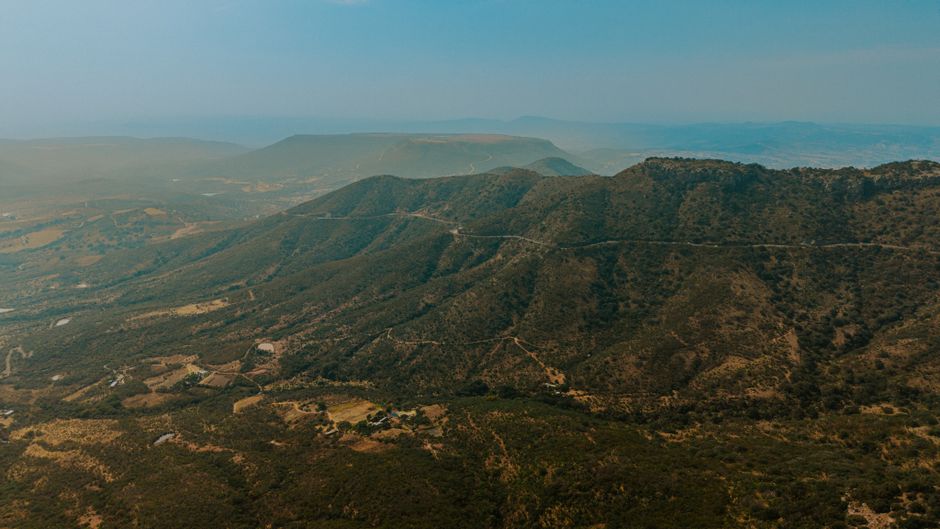
When a developer tells you a site is "ready to go," dig deeper. "Ready" is a vague claim that means nothing without a project timeline. Are they talking about raw land, or land with a Concesión de Agua—a federal concession granted by the National Water Commission (CONAGUA) that allows a user to extract a specific volume of water from national sources? Without this, you have no legal right to pump, regardless of what the real estate brochure claims.
Why Prefabricated Steel Buildings Are Winning
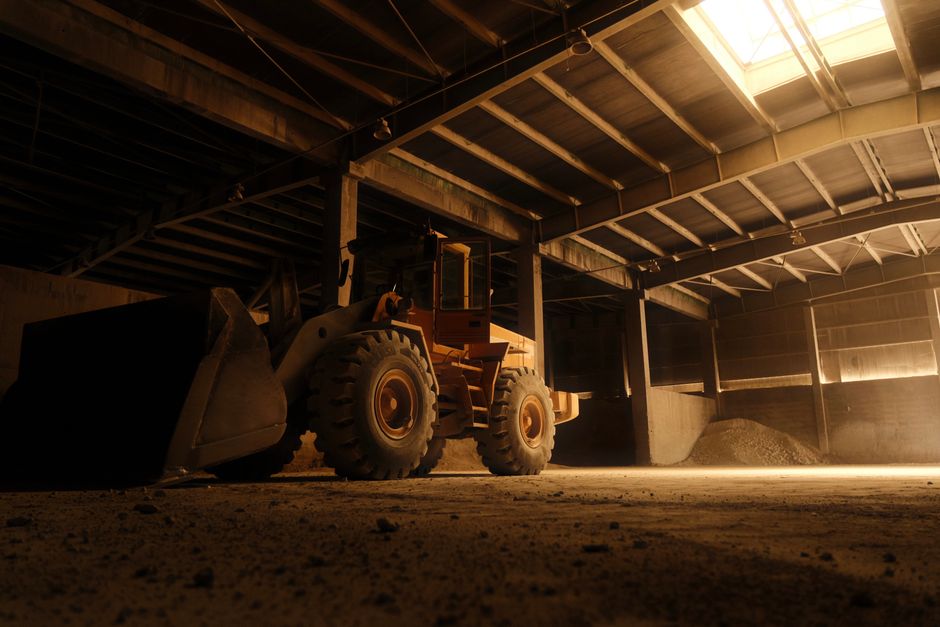
In this high-pressure environment, speed-to-market is the primary KPI. I remember a project where wished they had known this beforehand.. This is why prefabricated steel buildings have become the standard for Mexican industrial expansion. Unlike traditional concrete tilt-up construction, which requires massive on-site water usage for curing and concrete mixing, pre-engineered steel structures are manufactured off-site and bolted together on-site.. Exactly.
Prefabrication offers two massive advantages:
- Scalability: Steel frames are modular. If your production needs increase in year three, you can expand the bay spacing without rebuilding the primary structure. Regulatory Speed: Because the components are standardized, structural engineering approvals are often faster, allowing you to bypass months of custom design reviews.
However, steel buildings still require wastewater connectivity. You cannot simply dump industrial effluent—the liquid waste or sewage discharged into a river or the sea—into the municipal system. You must prove your facility has the capacity to pre-treat that water.
Critical Questions for Site Selection
Before you sign a lease or purchase land, your engineering and legal teams need to get granular with the local municipality and state utility operators (often known as Organismos Operadores de Agua).
1. Is there a confirmed water volume allocation?
Do not accept a "yes." Ask for the specific cubic meters per day guaranteed in writing. If the local utility claims they have "sufficient pressure," ask for the average pressure drop during peak summer months. If you are in a drought-prone area, your supply will be curtailed before the local residents' supply is.
2. What is the status of the wastewater discharge permit?
In Mexico, your facility must comply with NOM ( Norma Oficial Mexicana) standards for wastewater. If your production process involves chemicals, heavy metals, or excessive organic matter, you need a specialized on-site treatment plant. Verify if the local municipal sewer can even accept treated industrial effluent.
3. Is there a redundant utility path?
Passive voice is the enemy here. Don't let your contractors say "the lines will be installed." Ask: "Who is responsible for the final connection from the main line to the building's intake?" In Mexico, the burden of connecting to the municipal grid often falls on the private developer, and permitting that connection can take 6–12 months.
Industrial Utilities Comparison Table
When comparing potential sites, use this table to force objectivity from your developers.
Utility Factor High-Risk Metric Optimal Metric Water Source Unregistered Well Municipal Grid + Backup Storage Wastewater Septic/Leach Field Industrial Grade Treatment Plant Permitting "In-process" Granted and Registered with CONAGUA Scalability Fixed infrastructure Modular expansion capacityThe Industrial Utilities Checklist
Before you commit to your next facility expansion, run this checklist against your site plan. If you cannot check every box, your "fast" timeline is an illusion.
- [ ] Federal Concession Verification: Does the site have a valid CONAGUA permit for your required volume? [ ] Water Quality Report: Have you tested the groundwater for Total Dissolved Solids (TDS)? High mineral content will destroy your boilers and cooling equipment in months. [ ] Wastewater Pre-treatment Plan: Does your building design include space for a wastewater treatment plant that meets NOM-001 or NOM-002 standards? [ ] Utility Lead Times: Have you obtained a written commitment from the utility company regarding the physical connection date, independent of the construction finish date? [ ] Drought Contingency: Do you have the physical space on-site to install water cisterns for 72 hours of operational backup?
Final Thoughts
The allure of Mexico’s proximity and cost-efficiency is real, but it is not a "plug-and-play" scenario. Industrial expansion in Mexico requires a deep understanding of local water rights and environmental compliance.
Avoid buzzwords like "strategic infrastructure" or "turnkey-ready" unless those claims are backed by stamped engineering documents and signed utility contracts. Prefabricated steel may solve your construction speed, but it cannot solve a lack of water. Do your due diligence early, or prepare for a very quiet, very expensive empty warehouse.