You’re looking at Mexico because the supply chain broke, and you need to get closer to the end consumer. I’ve seen this script play out dozens of times. You get the executive green light, and suddenly everyone is talking about "synergy" and "world-class facilities." Stop. That’s how you blow your contingency fund in the first month.
If you want to build in Mexico, you need to stop thinking about marketing slides and start thinking about utility load-outs and soil bearing capacity. Before you sign a lease or break ground, run your plan through the Build Review process. Most projects fail here because they treat a Mexican build like a plug-and-play US project. It isn't.

What breaks first in operations? It’s rarely the concrete. It’s the power stability and the site drainage during monsoon season. Let’s look at the actual line items that determine if your project sinks or swims.
The Nearshoring Reality Check
Mexico isn't just a "cheaper labor" play anymore. It’s a logistical necessity. The border corridors—Tijuana, Ciudad Juárez, and Laredo—are the front lines. But as you push deeper into the Bajío region (Querétaro, Guanajuato, San Luis Potosí), you find the manufacturing density that makes 3PL operations actually work.
Don't fall for the "everything is cheaper" trap. While labor rates are lower, the cost of specialized steel and imported MEP (mechanical, electrical, plumbing) components can spike due to logistics and import tariffs. Budget for volatility.
Sitework Costs: The Hidden Profit Killer
Too many developers look at the dirt price and call it a day. In Mexico, you are buying into the local infrastructure—or lack thereof. If the site doesn't have a high-capacity transformer nearby, you aren't just paying for a connection; you’re paying for a sub-station.
Sitework Checklist:
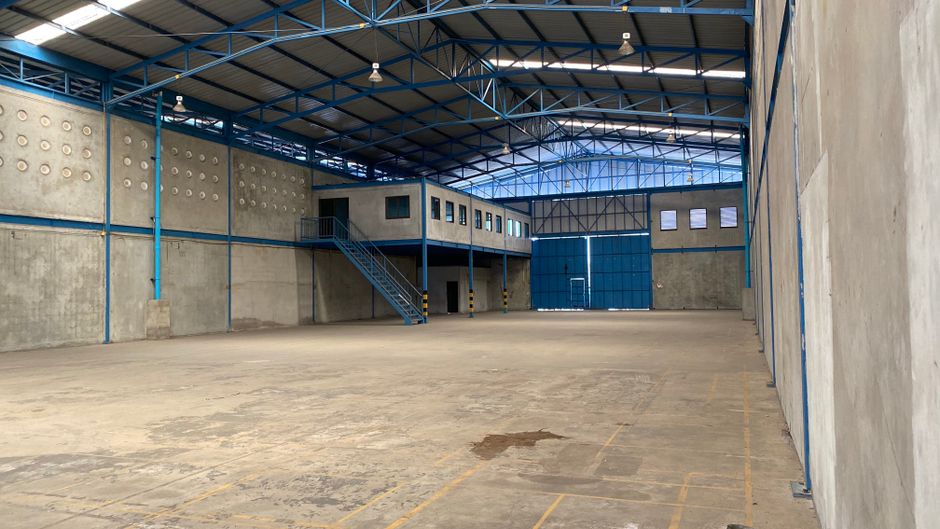
- Geotechnical Testing: Do not skip this. If you are building on reclaimed land or areas with high water tables, your foundation costs will double. Retention Ponds: Local municipal codes in industrial parks are becoming stricter regarding runoff. If you don't calculate the square footage for drainage, you’ll lose warehouse space. Utility Stub-ins: Confirm the exact distance to the primary utility grid. If it’s more than 200 meters, your budget for trenching and bringing in lines needs a serious adjustment.
Building Shell: Why Prefab Steel Wins
In North America, we love tilt-up concrete. It’s great, but it’s heavy and requires significant local labor expertise. Prefabricated steel is the move for Mexico. It’s modular, it’s faster to erect, and it handles seismic activity—common in many Mexican industrial hubs—better than rigid, non-flexible structures.
When you review the structural specs, don't accept generic "industrial grade" labels. Ask for the wind load and the snow/rain load calculations based on the specific municipality. You want steel that arrives pre-punched and pre-welded. Less time on-site means less time paying for labor that can be delayed by a local rainstorm.
Tenant Improvements (TI): Defining the "Finish"
This is where the vision meets reality. A "shell" building in Mexico is often just four walls and a roof. If you are doing manufacturing, your TI budget will dwarf your shell budget. If Learn more you are doing 3PL, you need to focus on clear heights and floor flatness (FF/FL numbers).
The 3PL and Manufacturing Specs That Matter
Specification Why it breaks operations Clear Height Anything under 9-10 meters limits your racking density. Floor Load/Flatness High-bay VNA (Very Narrow Aisle) trucks require precise flatness. Fix this at the pour, not after. Loading Docks Ensure dock levelers are mechanical or hydraulic based on throughput. Don't cheap out here. HVAC/Ventilation Manufacturing requires high air exchange rates. Is the power grid rated for your cooling needs?A Realistic Budget Checklist
I’ve seen plenty of projects fail because they relied on "fuzzy numbers" or outdated templates. Build your budget using this structure. Ensure your team provides hard quotes for each item below.
Pre-Construction:- Permitting and Impact Fees (MIA - Environmental Impact Assessment). Site surveys and geotechnical soil analysis. Legal and administrative fees for land acquisition.
- Mass excavation and site grading. Utility bring-in (Electrical, Gas, Fiber, Water). Perimeter fencing and security infrastructure (crucial for Mexico sites).
- Foundation/Slab-on-grade (Specify FF/FL requirements). Structural steel erection. Roofing system (High albedo for cooling efficiency). Wall panels and insulation.
- Office build-out (HVAC, lighting, low-voltage cabling). Warehouse lighting (LED arrays, motion-sensored). Fire suppression (NFPA compliance is non-negotiable). Dock equipment (Levelers, shelters, bumpers).
Don't Ignore the "Hidden" Risks
There is no "standard" project in Mexico. An industrial park in Juárez faces entirely different electrical and security challenges than one in Querétaro.
When your contractor gives you a quote, look for the "exclusions." If they exclude site drainage or utility capacity upgrades, you are not looking at a final price—you are looking at a down payment on a disaster. Always ask: "What breaks first in operations?" If the power drops, do you have space for a generator pad? If the road floods, do you have a secondary access point for your freight?
Finally, confirm your units. I’ve seen projects where US architects designed in feet while local steel fabricators worked in meters, resulting in a 3-inch gap that turned into a million-dollar change order. Verify the drawings, verify the units, and walk the site yourself. Don't trust the drone footage; trust the man standing in the mud.
Building in Mexico is a high-reward play, but it’s a marathon of technical details. Stay focused on the infrastructure, build for your operational needs, and never, ever ignore the site work.